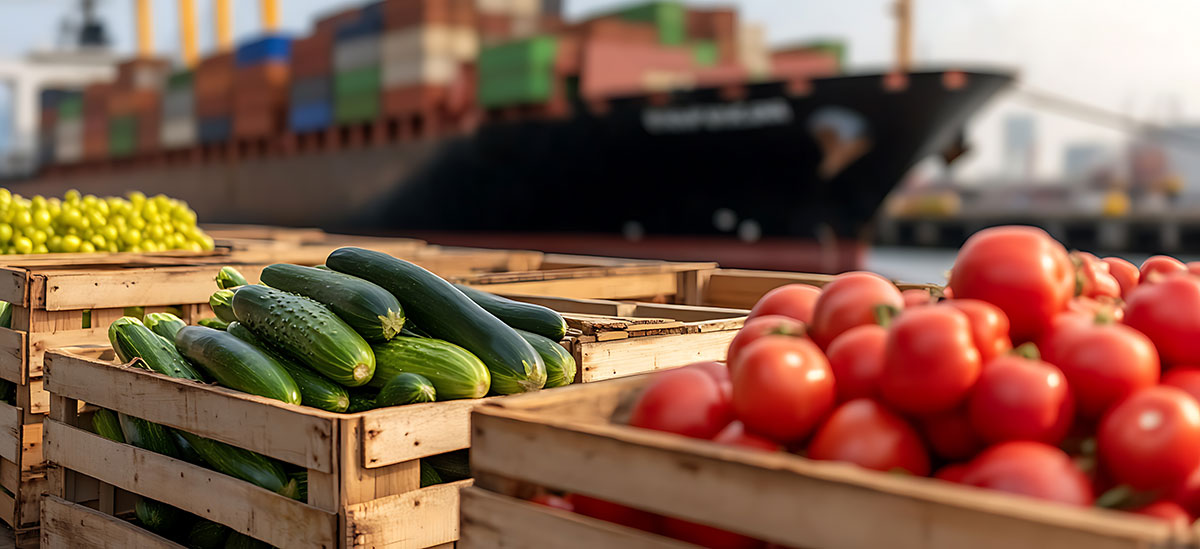
Farming has always been a central part of my life. Growing up in La Romana and Santo Domingo, I learned the value of hard work, patience, and respect for the land. Over the years, I transitioned from focusing solely on local markets to entering the world of international exports. This journey has been both challenging and rewarding, teaching me invaluable lessons about global trade, relationships, and the skills required to succeed in the export industry.
Exporting agricultural goods is not just about growing crops; it is about understanding international markets, building trust, and navigating regulations that can seem complex at first. Through my experience, I have learned that preparation, adaptability, and attention to detail are essential for long-term success. In this blog, I want to share some of the key lessons I have learned from exporting agricultural products.
Understanding International Markets
One of the first lessons I learned was the importance of understanding the markets I wanted to enter. Each country has its own regulations, quality standards, and consumer expectations. What works in one market may not be acceptable in another.
Researching these requirements can feel overwhelming, but it is a necessary step. For example, some countries require specific certifications for organic or sustainably grown products, while others have strict rules regarding packaging or labeling. Understanding these details helps avoid delays at customs and ensures that your products meet the expectations of buyers.
Small farms have an advantage in this area because we can adapt quickly. By being flexible and responsive, we can meet the demands of different markets and create products that appeal to buyers abroad.
The Importance of Quality and Consistency
International buyers value quality and consistency above all else. A single shipment that does not meet standards can damage your reputation and make it difficult to secure future contracts.
On my farm, I have focused on maintaining high standards from planting to harvest. Careful monitoring of crops, proper storage, and attention to handling during transport have helped ensure that each shipment meets expectations. Consistency builds trust with buyers, and trust is a crucial currency in global trade.
Even small farms can compete with larger operations by emphasizing quality over quantity. Buyers are often willing to pay more for products that they can rely on to be fresh, healthy, and well-packaged.
Logistics and Timing
Shipping agricultural goods internationally comes with unique logistical challenges. Crops are perishable, and delays can result in spoilage and financial loss. Learning how to coordinate shipping schedules, packaging, and customs documentation has been one of the most important lessons in exporting.
Partnering with reliable logistics companies and shipping providers has made a significant difference for my business. Clear communication, careful planning, and attention to detail help ensure that products arrive on time and in excellent condition. Understanding transportation costs and timelines is also essential for pricing products competitively in global markets.
Building Strong Relationships
Relationships are the backbone of any successful export business. Buyers, suppliers, and logistics partners all play a critical role in making exports possible. Building trust with these partners requires transparency, reliability, and consistent communication.
I have learned that strong relationships often lead to repeat business, referrals, and long-term contracts. Being honest about challenges, providing regular updates, and meeting commitments demonstrates professionalism and builds confidence. Collaboration with fellow farmers has also been valuable, allowing us to pool resources, meet larger orders, and strengthen our presence in the market.
Embracing Technology
Technology has become an essential tool in navigating global trade. Digital platforms help connect farmers directly to international buyers, while monitoring systems allow for better management of crops and shipments. Tracking temperature, humidity, and other factors during transportation ensures that products arrive in optimal condition.
Technology also supports transparency and traceability, which are increasingly important for buyers. Sharing information about the farm, production process, and sustainability practices can differentiate products and enhance the reputation of the farm in competitive markets.
Learning from Challenges
Exporting agricultural goods is not without its challenges. There have been shipments delayed by customs, orders rejected for failing to meet standards, and unforeseen obstacles that tested my problem-solving skills. Each challenge has been a lesson in resilience, planning, and adaptability.
I have learned to anticipate problems, communicate proactively, and develop contingency plans. Accepting that challenges are part of the process allows me to approach global trade with confidence and a solutions-oriented mindset.
Advice for Other Farmers
For farmers considering entering international markets, my advice is to start with preparation and research. Understand the requirements of your target markets, invest in quality control, and develop strong relationships with buyers and logistics partners.
Embrace technology to monitor crops, streamline operations, and provide transparency to buyers. Focus on consistent quality, as this builds trust and credibility. Finally, be patient. Building a reputation in global trade takes time, but the rewards—expanded markets, long-term partnerships, and business growth—are worth the effort.
Final Thoughts
Exporting agricultural goods has transformed my farm from a local operation to a business connected to markets around the world. The journey has taught me that success in global trade requires more than hard work in the fields. It requires understanding international markets, maintaining quality and consistency, building strong relationships, and embracing modern tools that support transparency and efficiency.
For small farms like mine, the challenges can be significant, but the opportunities are immense. By combining tradition, careful planning, and adaptability, farmers can navigate global trade successfully and create a sustainable, thriving export business.
The lessons I have learned continue to guide me as I grow my business and connect with buyers across the globe. Each shipment is a reminder that farming is not just about producing crops—it is about building trust, sharing a story, and participating in a global network that values quality, integrity, and sustainability.